
Anodizing is an electrochemical surface finishing process primarily used on aluminum and other nonferrous metals such as titanium and magnesium. The process converts the metal surface into a durable, corrosion-resistant oxide layer that is fully integrated with the substrate.
In addition to enhancing durability and surface hardness, anodizing improves wear resistance and enables color customization through dyeing, thanks to the porosity of the anodized layer.
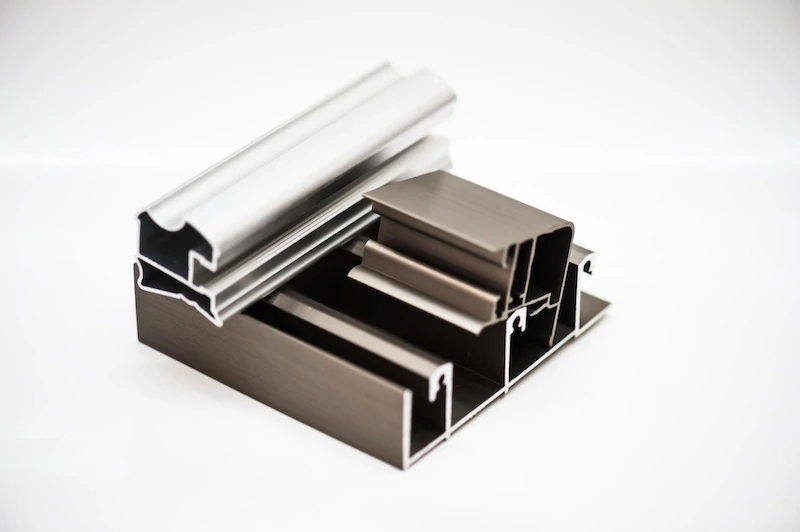
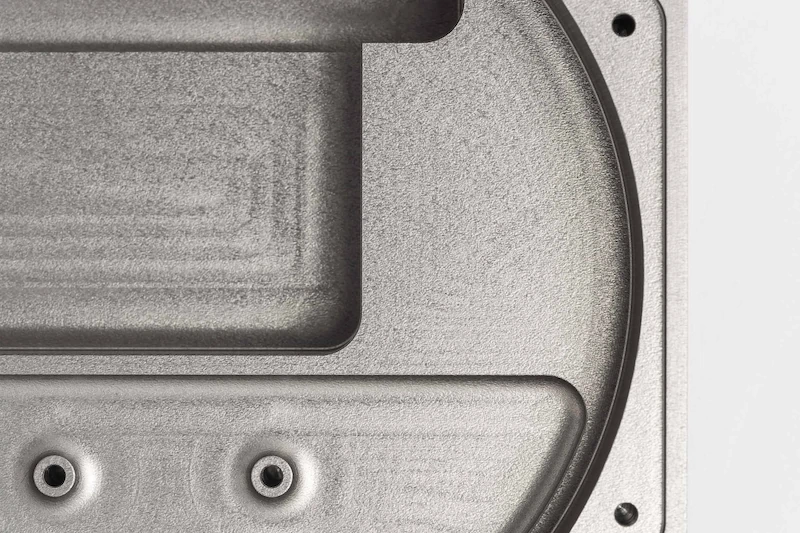
Type I | Chromic acid anodizing: thin and flexible; used in aerospace for minimal fatigue impact |
Type II | Sulfuric acid anodizing: most common; balances corrosion resistance and cost |
Type III | Hardcoat anodizing: thickest and hardest layer; best for industrial and high-wear applications |
Ecoplating offers precision anodizing services using Type I, II, and III techniques to meet your specific performance and design requirements. Whether you need aesthetic finishes or high-durability coatings, our anodizing processes deliver consistent quality, superior protection, and a finish that lasts
If you can’t find what you need or have specific requirements, just reach out.
Many options can be customized, and we’re happy to help you find the best fit.